
Inequalities in healthcare system leads to more dire situation
Mrs. Nilima suddenly began feeling unwell for no apparent reason. For several days, she experienced severe weakness and sleeplessness night after night. When she noticed that she could barely walk due to dizziness and spinning sensations, she went to a nearby hospital to check her blood pressure and blood sugar, as she has been living with diabetes and hypertension for eight years.
At the emergency room, the doctor found her blood pressure and blood sugar levels to be normal. He then recommended several blood tests, including tests to check her hemoglobin levels. After a fifteen-day wait and multiple tests, a hematologist finally determined that Mrs. Nilima’s low hemoglobin was caused by critically low iron levels. She was prescribed iron injections and was also found to have a urinary tract infection that required immediate treatment.
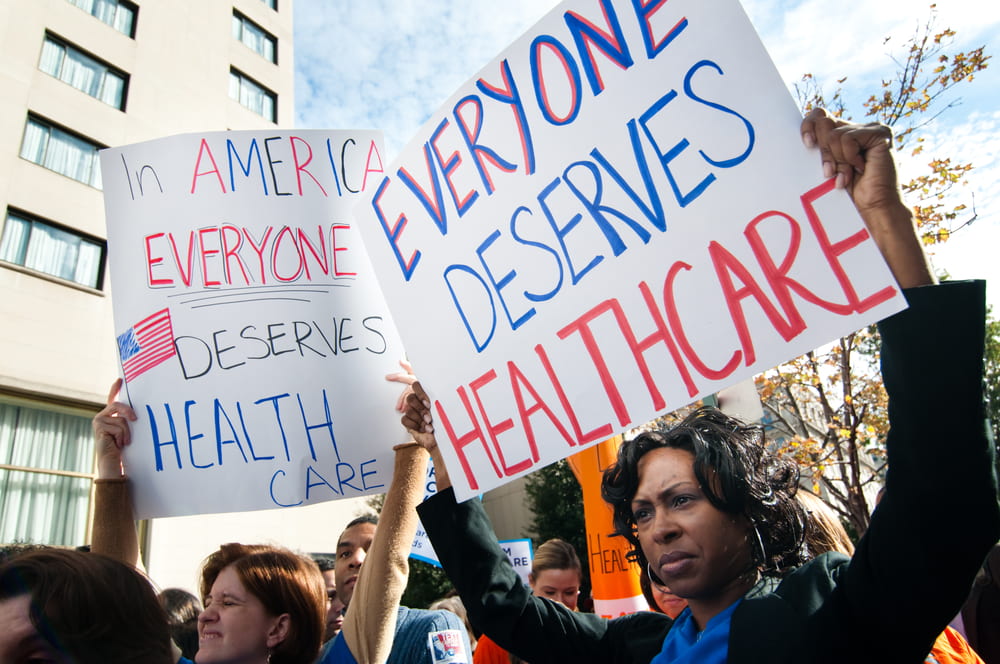
Bangladesh is facing a growing crisis in healthcare, characterized by stark inequalities between urban and rural populations. While city dwellers often have access to modern hospitals, diagnostic facilities, and specialized doctors, rural communities frequently struggle with inadequate infrastructure, limited medical personnel, and high out-of-pocket costs. This disparity not only delays timely diagnosis and treatment but also exacerbates health risks. Compounding this challenge is the rapid rise of non-communicable diseases (NCDs) such as diabetes, hypertension, cardiovascular diseases, and cancer, driven by lifestyle changes, urbanization, and dietary shifts. NCDs now account for over two-thirds of deaths in the country, yet prevention and management services remain unevenly distributed. The combination of unequal healthcare access and the growing burden of NCDs underscores the urgent need for comprehensive, equitable healthcare policies and expanded preventive care programs across Bangladesh.
Bangladesh faces a unique dual challenge: it continues to battle communicable diseases like tuberculosis and waterborne infections while confronting a steep rise in non-communicable diseases (NCDs) such as diabetes, hypertension, and cancer. According to the World Health Organization (WHO), NCDs now account for more than 67% of all deaths in Bangladesh, signaling a dramatic shift in disease patterns.
The prevalence of diabetes and hypertension has been steadily increasing due to urbanization, sedentary lifestyles, and unhealthy diets. A 2023 study indicated that roughly 10% of adults in urban areas suffer from diabetes, with many cases undiagnosed. Cardiovascular diseases, often linked to obesity, high cholesterol, and smoking, are emerging as the leading cause of mortality.
While progress has been made in reducing the prevalence of infectious diseases, challenges remain. Tuberculosis, cholera, and hepatitis continue to affect marginalized populations. Frequent flooding exacerbates waterborne diseases, particularly in rural regions with inadequate sanitation.
The coexistence of communicable and non-communicable diseases places enormous pressure on an already strained healthcare system, highlighting the need for integrated health policies.
Women in rural areas often lack access to skilled birth attendants, quality antenatal care, and emergency obstetric services.
Despite progress, child malnutrition remains a critical concern. According to UNICEF, nearly 30% of children under five are stunted due to chronic malnutrition, which hampers physical growth and cognitive development.
Cultural norms and poverty contribute to teenage pregnancies, which carry higher health risks for both mother and child.
Addressing these challenges requires not only healthcare interventions but also broader social policies, including female education, poverty reduction, and community empowerment.
Bangladesh’s geography, marked by rivers, floodplains, and monsoons, makes it highly vulnerable to waterborne and vector-borne diseases.
Cholera, diarrhea, and hepatitis A outbreaks are common, particularly in flood-affected areas. Contaminated drinking water and inadequate sanitation exacerbate these risks. In rural regions, open defecation and poor hygiene practices persist, creating fertile ground for epidemics.
Dengue fever has become an urban public health nightmare. Rapid urbanization, poor drainage systems, and climate change have expanded mosquito breeding grounds. In 2023, Dhaka witnessed over 35,000 confirmed dengue cases, overwhelming hospitals and healthcare facilities. Malaria and chikungunya also pose localized risks, particularly in southern and northeastern districts.
The combination of environmental hazards, population density, and limited health awareness underscores the urgent need for improved water management, urban planning, and community-based disease prevention programs.
Air pollution has emerged as a silent yet deadly threat in Bangladesh, particularly in cities like Dhaka and Chittagong. Rapid industrialization, traffic congestion, brick kilns, and open burning contribute to extremely high levels of particulate matter (PM2.5), often exceeding WHO guidelines.
Chronic respiratory diseases such as asthma and chronic obstructive pulmonary disease (COPD) are like menace. Chronic Obstructive Pulmonary Disease (COPD) is increasingly becoming a major public health concern in Bangladesh, largely due to severe air pollution. Rapid urbanization, traffic congestion, industrial emissions, brick kilns, and the widespread use of biomass fuels have resulted in dangerously high levels of particulate matter in the air, particularly in cities like Dhaka and Chittagong. Prolonged exposure to polluted air irritates the lungs and airways, leading to chronic respiratory conditions, including COPD, asthma, and other lung diseases. Studies indicate that a significant portion of the urban population suffers from respiratory ailments, with COPD contributing to rising morbidity and mortality rates. Addressing this growing crisis requires stringent air quality regulations, cleaner industrial practices, and public awareness campaigns to reduce exposure and prevent further respiratory health deterioration.
A study conducted in 2022 revealed that air pollution contributed to over 30,000 premature deaths annually in Bangladesh. Despite these alarming figures, public awareness remains limited, and policy enforcement is inconsistent. Addressing air pollution requires coordinated strategies, including cleaner industrial practices, improved public transport, and stricter emissions regulations.
The recent increase in climate-induced disasters, including floods and cyclones, further compounds mental health risks, particularly among vulnerable populations like children and women. Expanding community-based mental health programs and increasing public awareness are critical steps toward addressing this silent epidemic.
Bangladesh has made progress in healthcare coverage, but structural and systemic challenges remain:
Urban centers have better access to hospitals, clinics, and specialists, while rural areas face shortages of medical personnel and facilities.
Public hospitals are often overcrowded, leading to long wait times and compromised care quality. Healthcare facilities in rural areas of Bangladesh remain severely underdeveloped, creating significant barriers to timely and effective medical care. Most of districts lack well-equipped hospitals, diagnostic laboratories, and trained healthcare professionals, forcing residents to travel long distances to district or urban hospitals for even basic treatments. Limited availability of medicines, insufficient emergency care, and a shortage of specialized doctors further exacerbate the problem. These gaps not only delay diagnosis and treatment but also increase out-of-pocket expenses, pushing many rural families into financial hardship. The stark contrast between urban and rural healthcare access highlights the urgent need for government investment in rural health infrastructure, expanded primary care services, and community-based health programs to ensure equitable healthcare for all citizens.
A significant portion of healthcare costs is borne by households, pushing many into poverty.
The government has made strides through initiatives like the Health, Population, and Nutrition Sector Development Program (HPNSDP), but more investment is needed in primary care, preventive services, and telemedicine solutions.
Addressing Bangladesh’s burning health issues requires multi-sectoral action: Expanding rural clinics, training community health workers, and improving access to essential medicines.
Awareness campaigns on nutrition, lifestyle, hygiene, and vaccination are crucial. Enforcing air quality standards, managing water resources, and implementing vector-control programs. Accurate health data is essential for policy planning and early intervention.
International partnerships, civil society engagement, and community participation are critical to implementing these measures effectively.
Bangladesh stands at a crossroads. Its health system has achieved remarkable progress, yet it faces mounting challenges from non-communicable diseases, maternal and child health disparities, environmental hazards, mental health crises, and climate change. The interplay of socio-economic factors, population density, and environmental vulnerabilities makes addressing these issues complex but not impossible.
Proactive, evidence-based policies, combined with public awareness and international support, can transform Bangladesh’s health landscape. By tackling these burning health issues head-on, the nation can secure a healthier, more resilient future for its people.
(The writer is a senior journalist)
