
Chite Ruti and Kukror Lal Jhol: A Traditional Food of Jashore
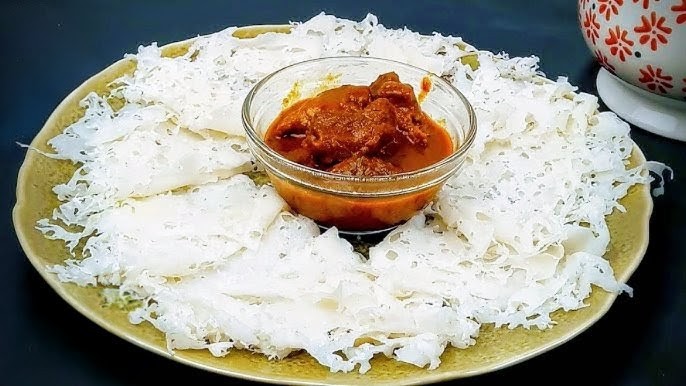
Whenever relatives come over to Jashore, the first thing they are served is chite ruti with spicy chicken curry. Likewise, if a person invites a guest over to their place to have lunch or dinner with them, this traditional combination of chite ruti and chicken curry, locally known as kukro lal jhol, will be served on the table.
Basically, the hospitality of Jashore is famously measured by the steam rising from a fresh plate of these delicacies. The term "Chite" literally refers to the "splattering" or "sprinkling" action used to form the bread, a technique that requires a rhythmic, almost musical hand motion. This isn't just a meal; it is a gesture of honor. In the rural heartlands of Jashore, the arrival of a guest triggers an immediate, coordinated effort in the kitchen- the sound of the wood fire crackling and the aroma of roasted spices soon fill the air, signaling a warm welcome that words alone cannot express.
Interestingly, during winter, chicken is often replaced by duck to add more flavor and warmth to the dish. This meal is a special charm for the people of this region. Though busy lives hardly allow them to make chite ruti on routine days, it is a must-have on festivals and family gatherings.
In Jashore town, restaurants such as Joyoti Heshel and Café Press Club and many more restaurants have responded to this demand. They used to serve this traditional item commercially for traditional food lovers. Besides, some other fast food restaurants started selling this food item due to huge demand. People living in the town don't always have the access to prepare this so they love to take the taste of Chite ruti with Kukror lal jhol in these restaurants.
While talking about this, Ambiya Khatun, a 40-year-old resident of Bagachra village in Sharsha, Jashore, shares her views on preparing this dish. She was happy to share her recipe. She said, "I have learned this recipe from my mother. When I was a child our mother used to prepare this very often. Especially when guests came she loved to prepare chite ruti and kukror lal jhol. And after my marriage, I started preparing this here in my husband's family. I literally love cooking it. And to us it's nothing but a tradition."
This lineage of recipes represents an oral history passed down through generations of women in Jashore. Ambiya’s narrative highlights how the kitchen serves as a bridge between a woman’s childhood home and her marital life. The subtle variations in the spice mix or the consistency of the batter often become a "signature" of a particular household. While the modern world moves toward instant meals, the persistence of these labor-intensive dishes in Jashore homes ensures that the culinary identity of the district remains vibrant and untouched by the homogenization of global food trends.
For instance, she said, she made chite ruti for 10 persons with two kilograms of rice flour- ground from atap rice in a traditional dheki or wooden grinder (though dheki is now a rare substance, but they still have one in their home) when she got four guests along with her family members at home a few days ago. Her sister-in-law Shiuly Khatun who lives beside their house helped her by preparing two roosters to complement the chite ruti.
By the way, the use of the dheki is perhaps the most authentic element of this preparation. Unlike electric mills that heat the rice flour during grinding, the slow, rhythmic thud of the wooden dheki keeps the flour cool, preserving the natural oils and the delicate fragrance of the atap rice. This results in a texture that is exceptionally soft yet holds its shape when sprinkled on the pan. For the people of Sharsha and surrounding villages, the sound of the dheki is synonymous with the preparation of a feast, evoking a sense of nostalgia for a slower, more communal way of life.
Ambiya said making chite ruti is a very tricky job as the mixture of rice flour needs to be neither too thick nor too thin. After sparking the clay stove, the pan is slightly heated, greased with a thin amount of oil using a banana stem, and then the batter is sprinkled onto the pan with the fingers. With the help of a spatula, the ruti is flipped and the process is continued until the batch is finished. According to her, two kilograms of rice flour can sufficiently feed 8-10 people.
The Spicy Chicken Curry (Kukror Lal Jhol)
Shiuly Khatun shared her way of preparing the aromatic curry. According to her, the preparation of the dish requires a sufficient amount of heat, which she achieves by adding extra dried red chilies. On a clay stove, she said, the chicken takes around 45 minutes to prepare.
First, a good sauté is given to the chicken with onions, garlic, and spices. Then, after browning the chicken and cooking it well, add salt with a few bay leaves and hot water, covering the pot to let it simmer. Once the meat is tender, add freshly ground garam masala and roasted cumin powder so that the curry gets its distinctive aroma and richness.
The "Lal Jhol" (Red Gravy) is a masterpiece of balance. The deep crimson color, derived from sun-dried chilies ground into a paste, suggests a fiery heat that is tempered by the sweetness of sautéed onions and the earthiness of the local chicken. Using free-range "Deshi" roosters is vital; the meat is leaner and tougher than broiler chicken, requiring the slow, steady heat of a clay stove to break down the fibers until the meat becomes succulent and absorbs the essence of the spices. The fat from the chicken renders into the gravy, creating a glossy layer on top that is perfect for soaking up with the net-like folds of the Chite Ruti.
However, while talking to this traditional food item, Mr. Mofazzel Hossain, who works with the district's culture and traditions, an Associate Professor in Jashore Govt Mohila College, said, "Chite Ruti and local free-range chicken curry are some of the popular traditional delicacies of Jashore; Chite Ruti, a thin and spicy flat bread, is prepared by special techniques. The finely ground rice flour or rice-based dough makes it soft and delicious. It is always good when it is served hot. I've visited so many village houses to learn the process of making it. Most of the time I noticed the villagers' enthusiasm and satisfactory smile while serving this food. It happens as they own this food as their own."
He added that, usually, the preparations done with local free-range chicken are spiced gravy and dry roast. This is such a blend of rural spices in it that exudes the smell and taste, so unique and special to the cuisine of Jashore. Be it on festivals or at family gatherings or restaurants, this dish remains a highlight that foodies cherish.
Traditionally, chite ruti and kukror lal jhol are not just a meal; they are the taste of cultural heritage that brings families and guests together in feasts of warmth and flavor. Moreover, as it's a pure Bengali food item, people all over the country should try this item at home to feel the taste of this traditional item. Additionally, the fantabulous combination of Chite ruti with Kukror lal jhol will not disappoint you. So try this at home and feel the taste.
The writer is a poet, columnist and journalist.
