
Marmaille: A teenager’s anger, dance and the search for belonging
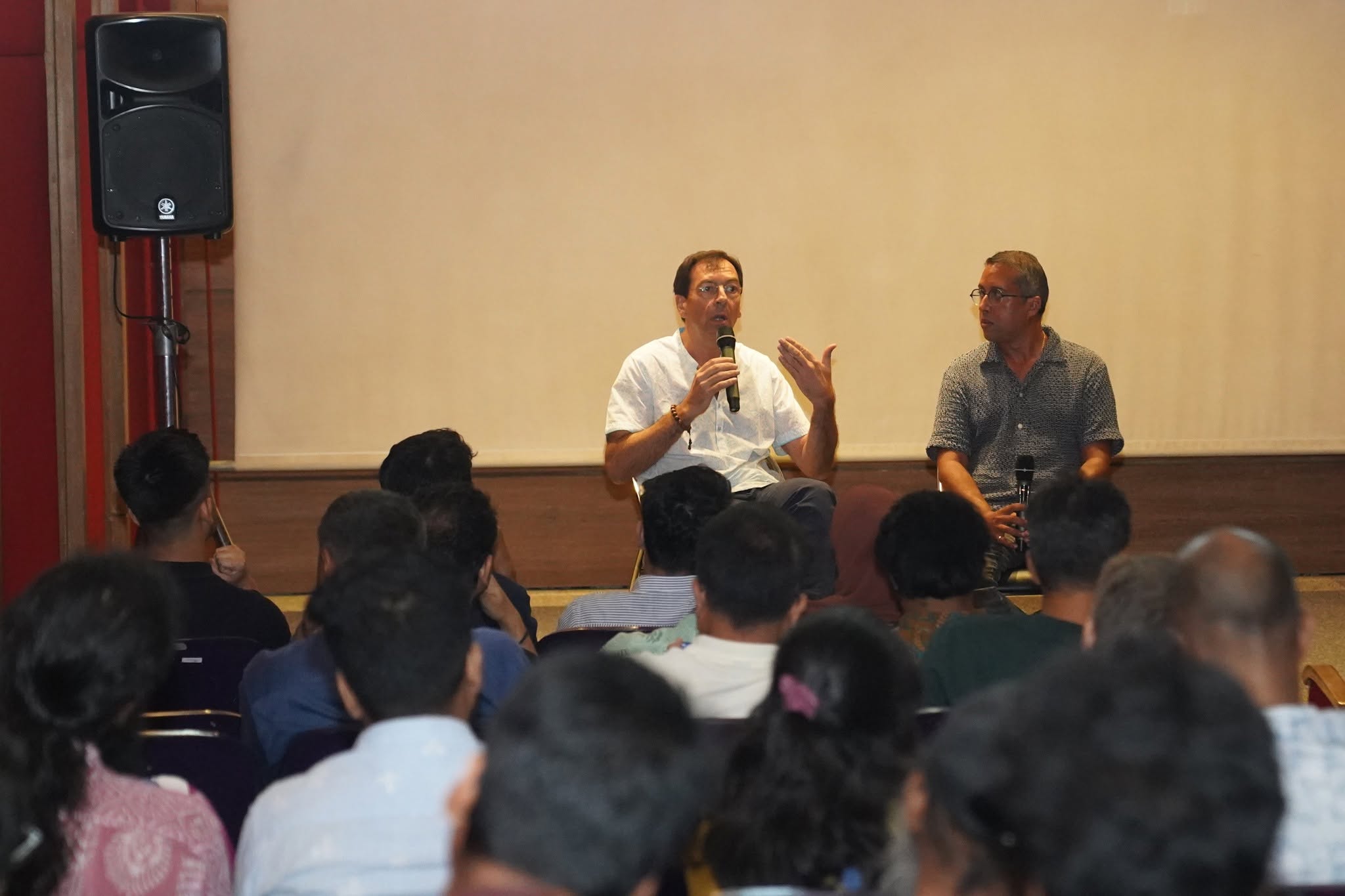
Alliance Française de Dhaka hosted a special screening of Marmaille (2024), the debut feature by French filmmaker Grégory Lucilly, on 6 October at the Auditorium Nouvelle Vague, Dhanmondi, followed by a discussion with the director.
Set on the island of Réunion, Marmaille follows Thomas, a 15-year-old aspiring breakdancer whose life is thrown into turmoil when he and his sister are separated from their mother and sent to live with their father they barely know. Through Thomas’s anger, vulnerability and struggle to find his place, the film examines abandonment, adolescence, family and resilience.
The film was born from Lucilly’s encounters with child welfare professionals while supporting a young person in difficulty. At the Child Welfare Services in Saint-Leu, a social worker described mothers abandoning their children as a “common situation”—a statement that shocked the filmmaker and led him to investigate the issue by speaking with social workers, judges and police officers.
“For someone like me, who was fortunate enough to grow up in a loving family, this was almost unimaginable,” Lucilly said.
Lucilly chose to tell the story through the eyes of a teenager, rather than explain the circumstances from an adult perspective. For Thomas, abandonment is not an abstract social issue but a painful reality he has to confront without understanding why it happened. His anger becomes central to the story, and breakdance provides an outlet for emotions he cannot easily express in words.
Dance, however, is more than a personal escape for Thomas. Lucilly was drawn to the energy and discipline of hip-hop and breakdance communities, seeing them as spaces where young people can channel frustration and overcome difficulties. Working with choreographer Amalia Salle, he also brought elements of Réunion’s musical heritage into the movement, combining hip-hop with maloya rhythms and elements of krump.
Réunion itself is an important presence throughout the film. Its forests, ocean, volcanic landscapes and intense light shape the visual language of Marmaille, while its cultural diversity informs the characters and their world. Lucilly describes the island as a place still searching for its identity—a quality he sees reflected in his young protagonists.
The decision to film in Réunion Creole was equally deliberate. For Lucilly, the language allows the characters to speak naturally and keeps the film rooted in the culture of the island. The result is a story that is deeply local while dealing with experiences of family, abandonment and adolescence that can resonate far beyond Réunion.
During the post-screening discussion, Lucilly spoke about the film’s origins, its characters, the casting of Maxime Calicharane as Thomas, and his approach to movement, music and visual storytelling.
Despite its difficult subject, Marmaille ultimately looks towards reconciliation and hope, centring on the bond between Thomas, his sister Audrey and her baby daughter Sloane.
“My film is a drama about family survival. Young people are our future; we need idealistic warriors.”
